

Understanding Cycling Through Practice: Everything is Connected
Tekné is an ancient Greek concept describing knowledge gained through making, doing, and experience.
Tekne Cycling is where I document and share what I learn through riding, experimentation, field testing, product evaluation, and writing. Whether exploring remote routes, testing equipment, developing products through Matter Lab, or analyzing complex cycling systems, the goal is the same: to better understand the relationships between riders, equipment, behaviour, and environment, and share learnings with the cycling community and industry.

Collective Excellence
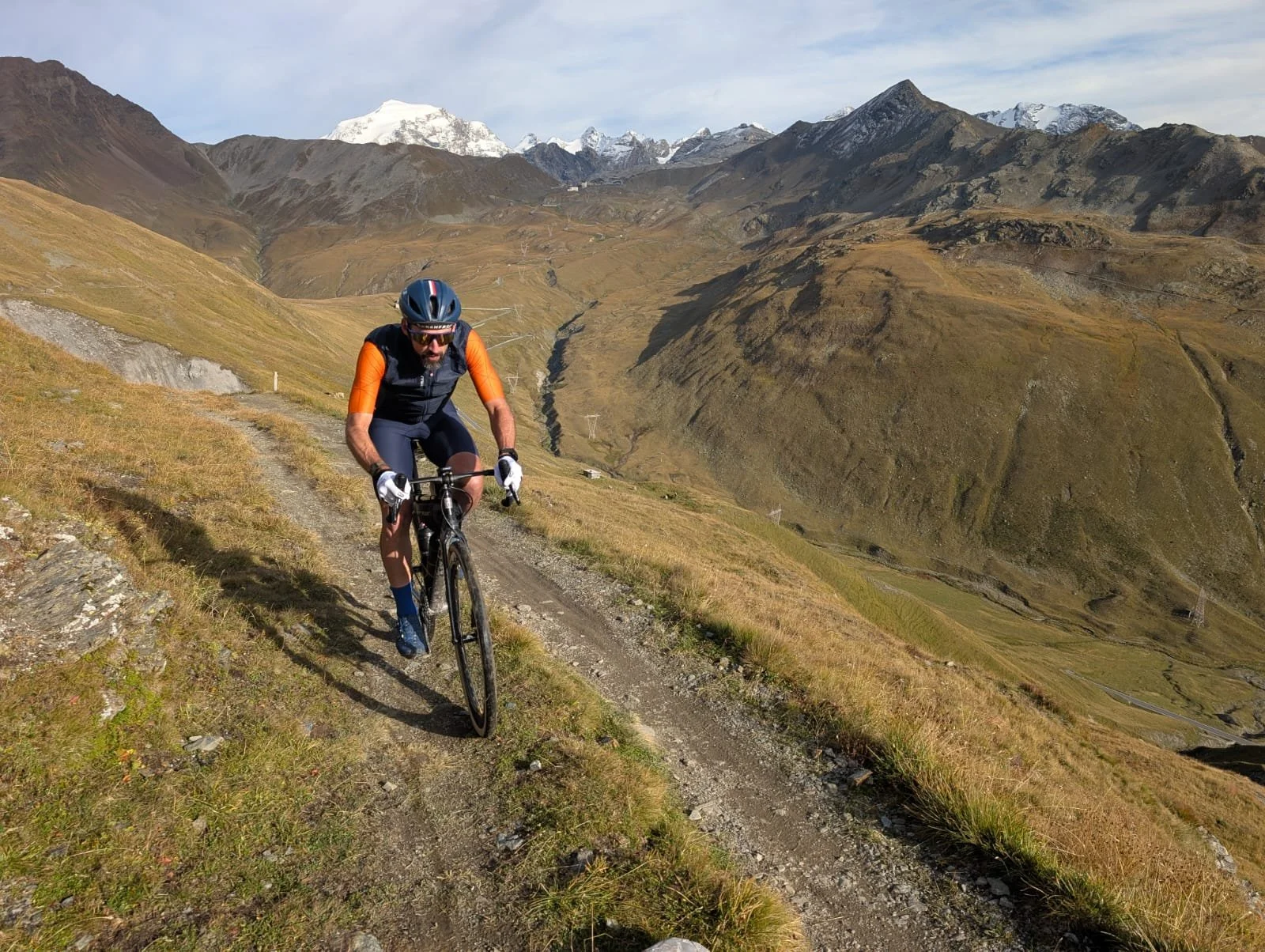
Journal
Long-form writing, analysis, field notes, and technical investigations.
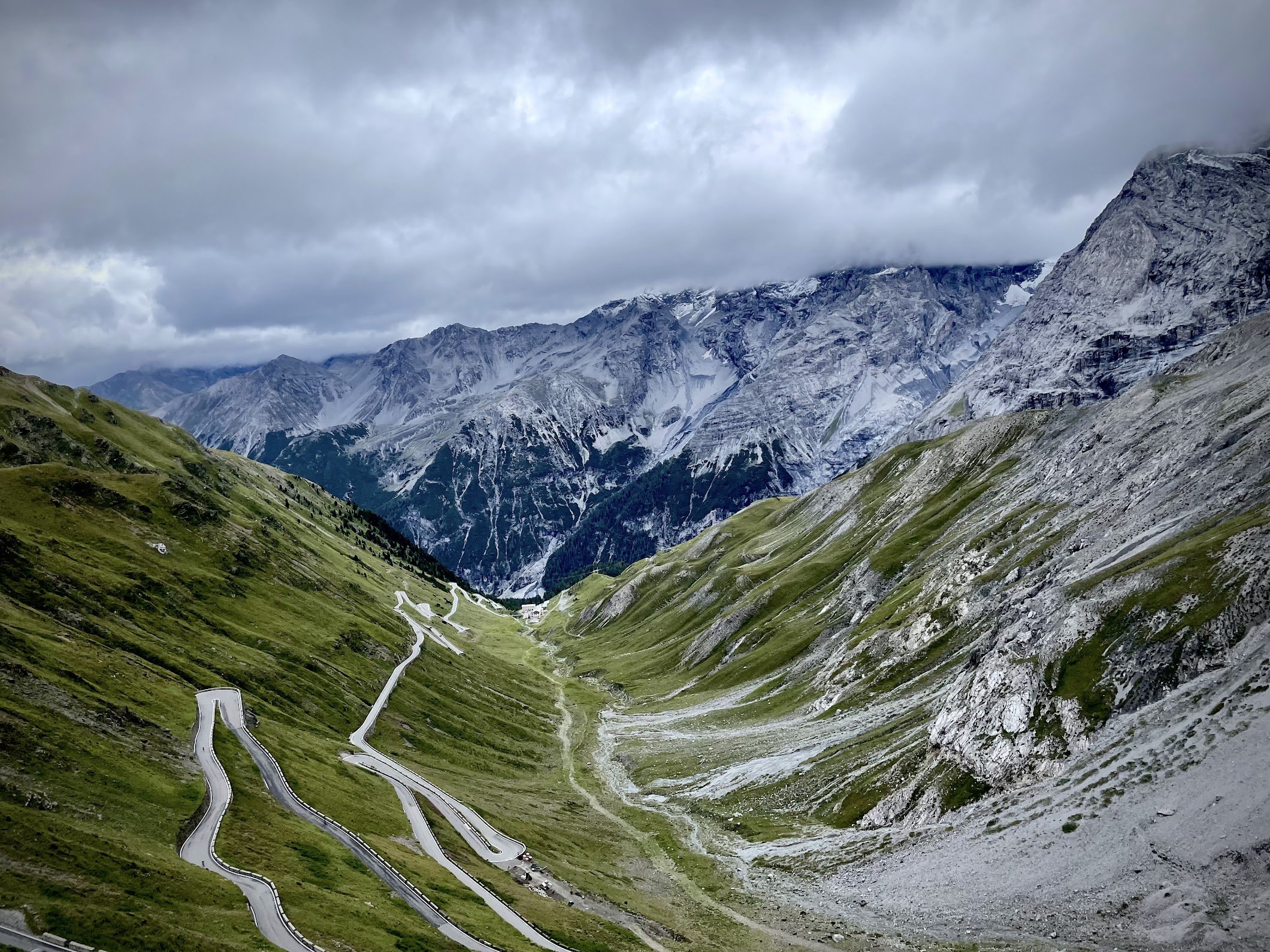
Ride Guides
Routes, travel reports, and lessons learned from the road and trail.
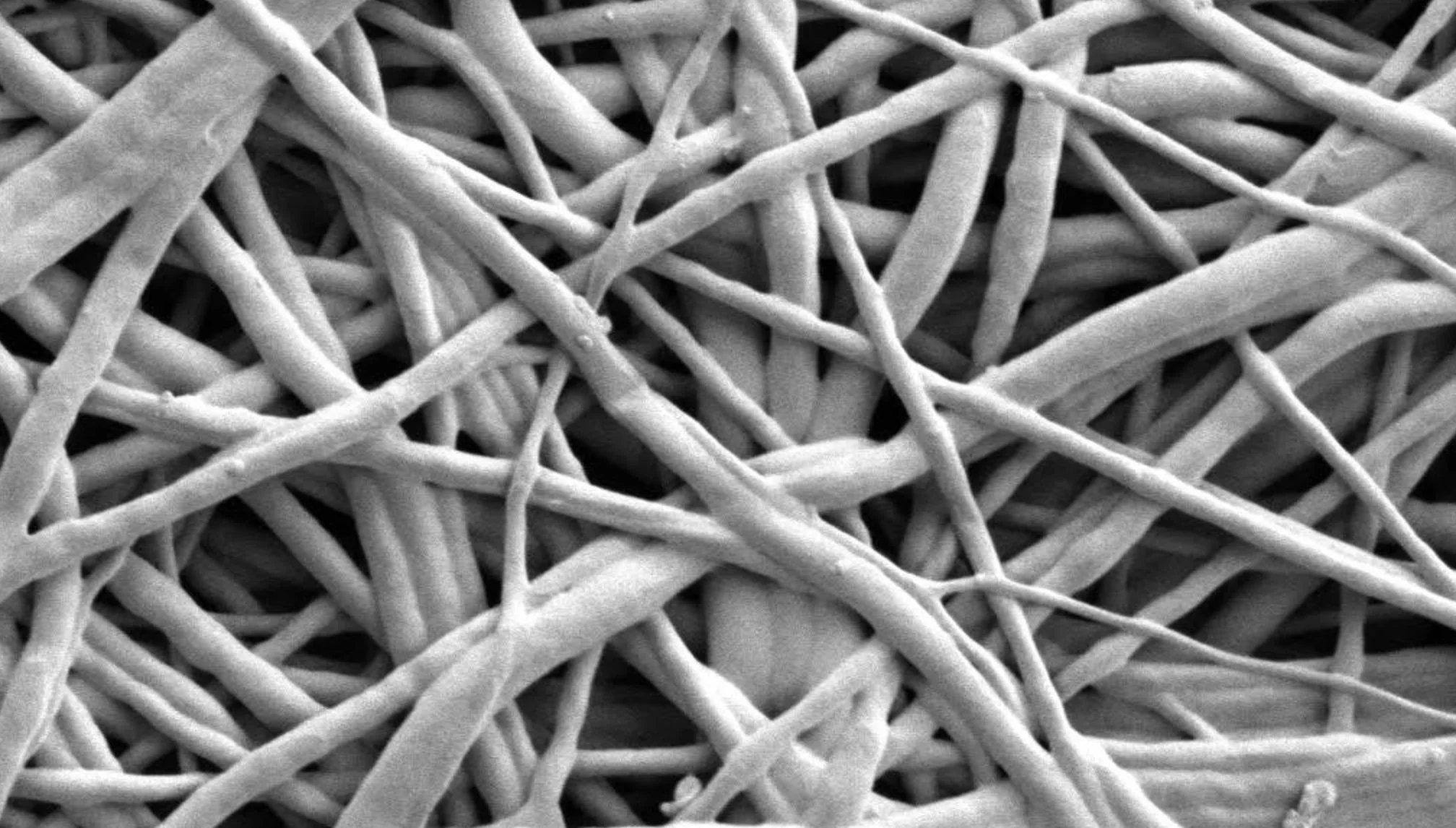
MATTER LAB
Product testing, development, prototyping, and small-scale manufacturing.

Work with Tekne
Product testing, technical storytelling, and development feedback.
Featured Posts


ALL POSTS

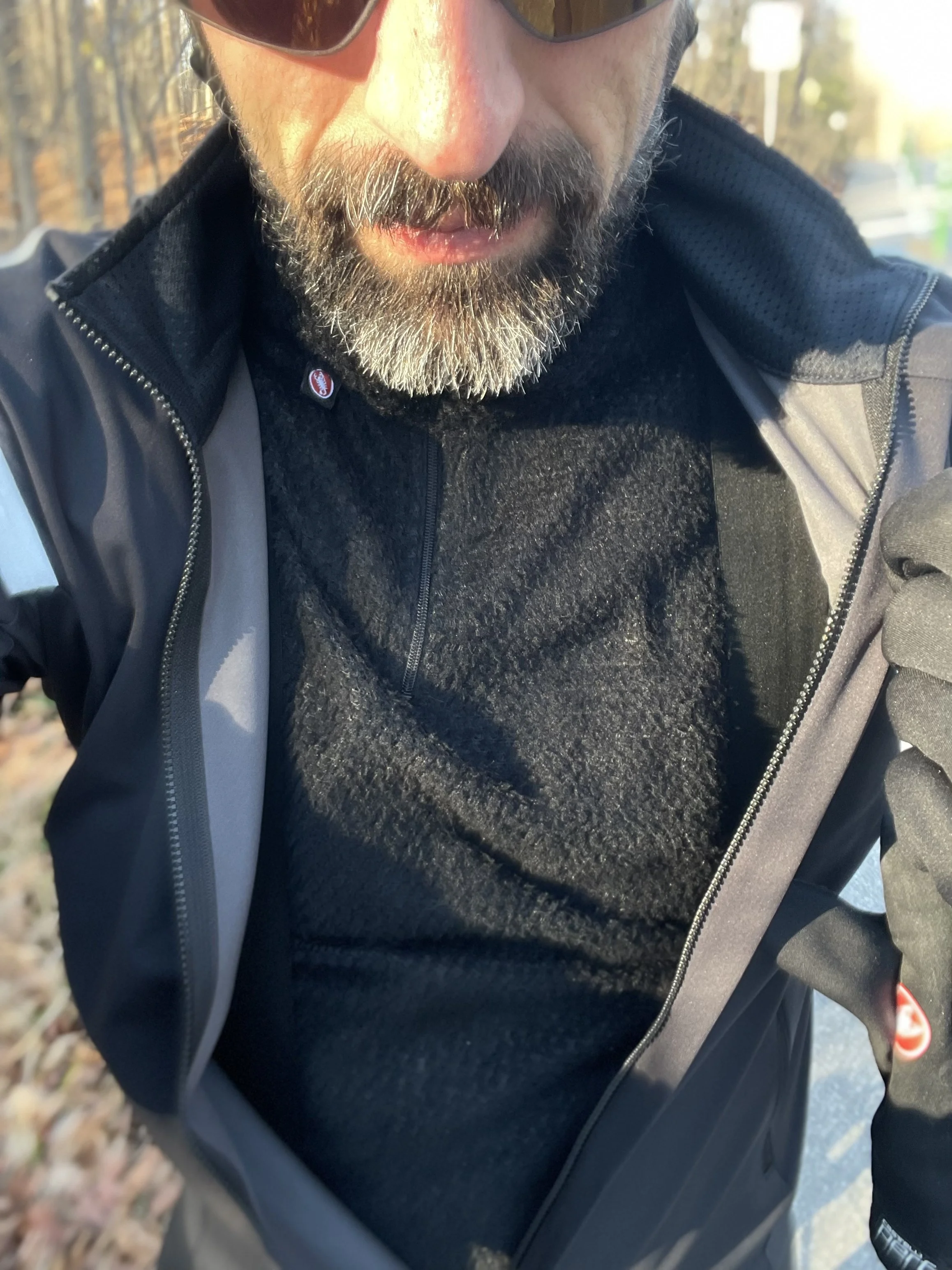
MATTER LAB: Comparing and Contrasting Castelli's Ristretto and AirCore textiles
What follows is distinctly not about 'which jacket is better.' Both are excellent, because they are optimized for different riding situations. The choice between these jackets is not about performance versus compromise — it is about how much environmental variability you want the garment to manage on your behalf. The DO.DI.CI. rewards riders who understand their effort, their terrain, and their weather. The Perfetto RoS 3 de-risks uncertainty and inconspicuously expands margin for error.

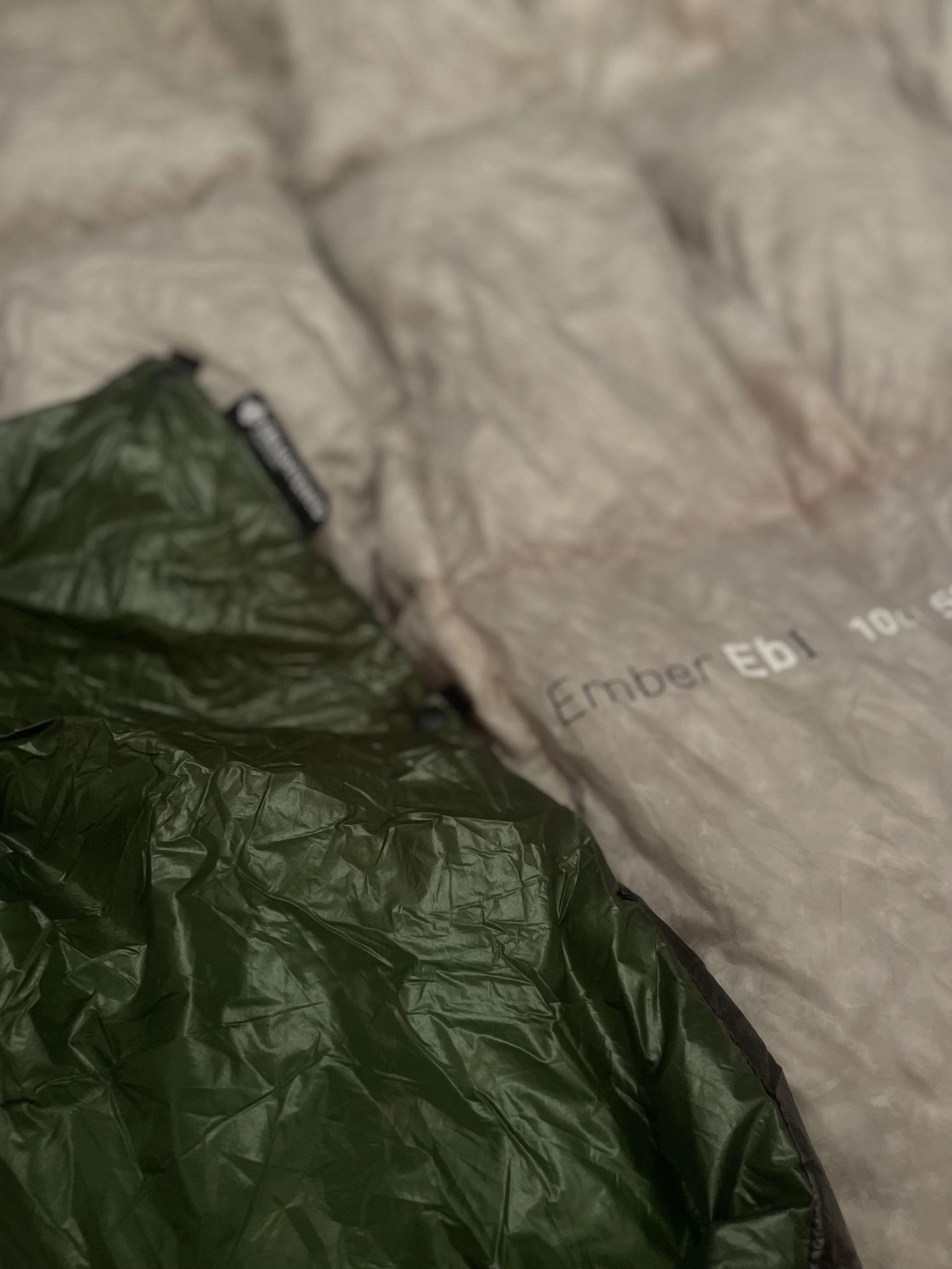
Hope is Not a Layer: Closing the Safety Gap in Cold-Weather Cycling
A 'cool not cold' clothing system is a low-insulation setup by design. It relies on your metabolic output to stay viable. But what happens when that output drops to zero during a mechanical? I define the three pillars of a true stop layer - Accessibility, Structural Integrity, and Moisture Resilience - and explain why Climashield Apex is the superior choice for the 'recovery-to-dry' transition.

Continuity and Failure in Winter Thermoregulation
Winter cycling comfort isn't about 'having the right jacket'; it's about the dynamic management of heat-loss pathways. From the 'Boiler Phase' of moisture accumulation to the 'Convective Failure' of a porous sleeve, I map out a field framework to help riders identify thermoregulation boundaries. Learn to diagnose your system’s failure modes in real-time and restore continuity before the 'flash chill' sets in.

Polartec Alpha Direct - Unlocking Castelli’s Breathe-first Paradigm
Cycling isn’t a static thermal environment. Heat load swings minute by minute with power and wind, yet most garments are designed around fixed temperature ratings. That mismatch explains why riders overheat on climbs, freeze on descents, and rarely feel “in balance” in winter.
Subscribe to newsletter.
Sign up with your email address to receive news and updates.
3 days, 3 riders, and a loop around Parc Mont Tremblant connecting Rouge Matawin Wildlife Reserve and ZEC des Nymphes. Here’s what we learned about surface conditions, campsite availability, water filtration, and wheel setups.