
MATTER LAB: Comparing and Contrasting Castelli's Ristretto and AirCore textiles
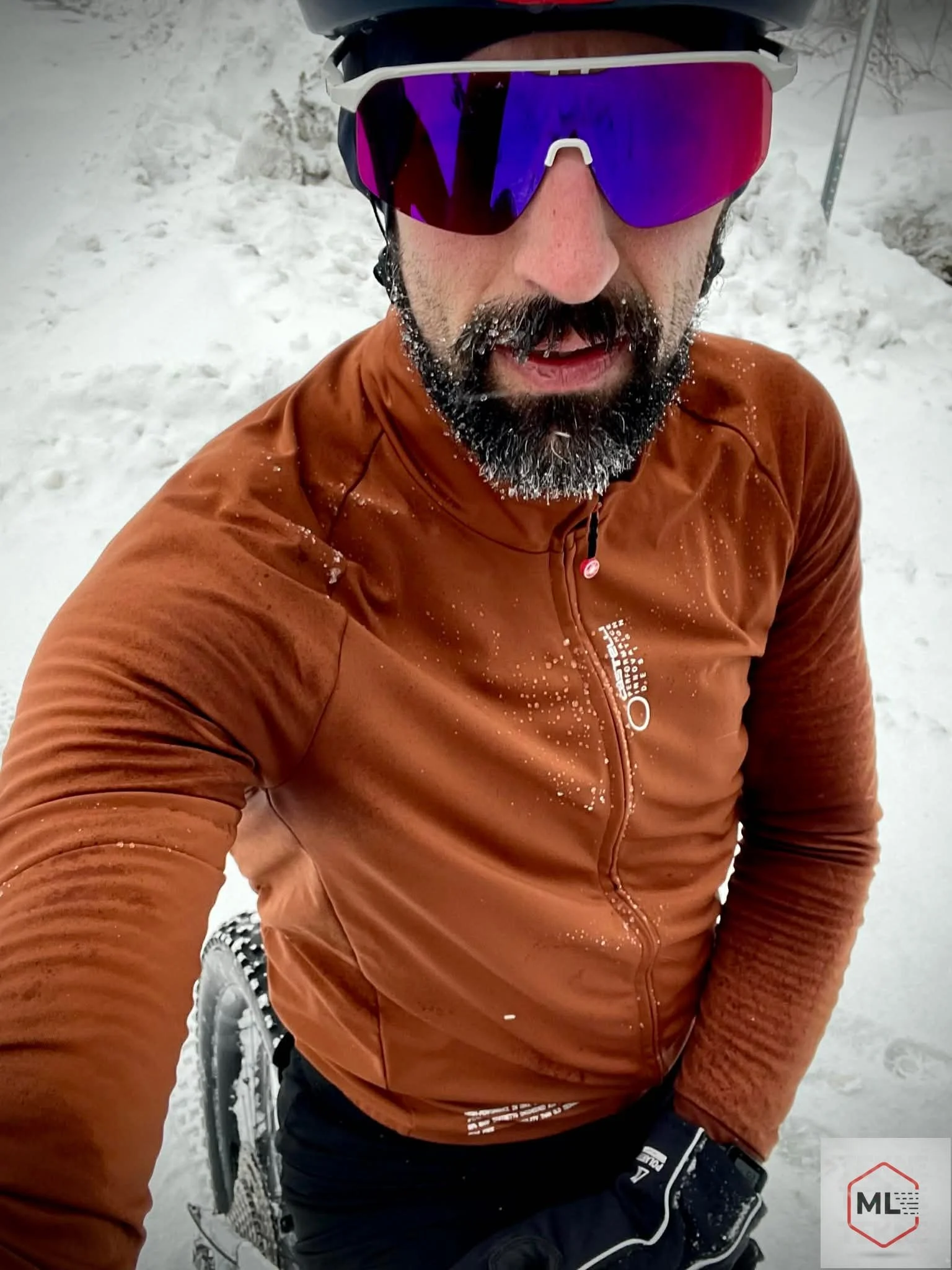
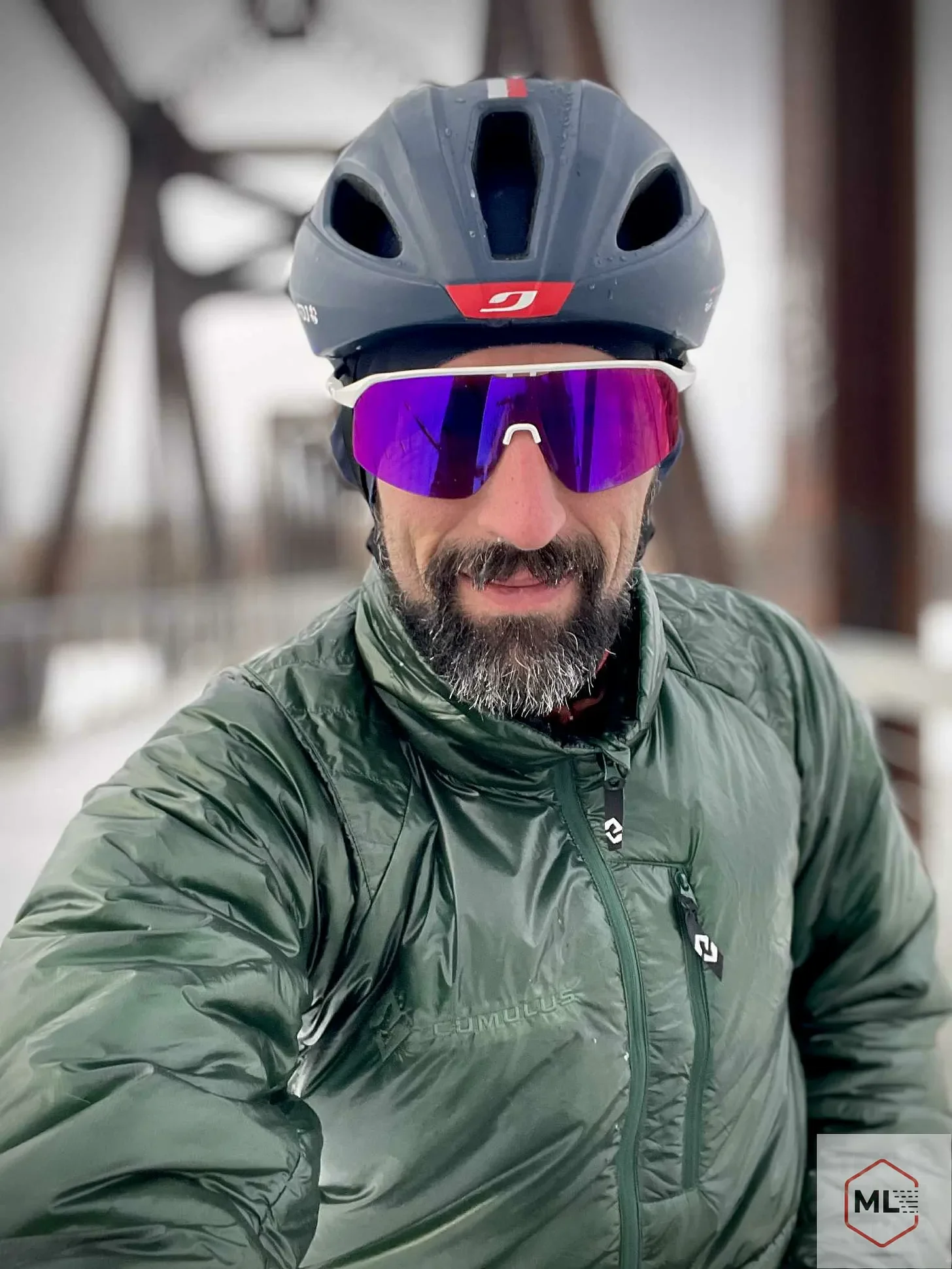
DO.DI.CI. comprised of 100% Ristretto
As one of Castelli’s Canadian ambassadors, I couple my access to the brand’s range of kit with a self-imposed obligation to dig into how and why their solutions function as they do. I read the team’s marketing copy when they release new pieces, and imagine how they will function in relation to their predecessors. Sometimes I’m a bit mystified, a common reaction to innovation.
Castelli quietly launched their Ristretto textile line in fall 2024, and I didn’t get it. I was looking forward to the winter fatbike season, and had a number of Perfetto RoS 2 jackets to work with. However, I was curious about the Do.Di.Ci. jacket, and requested one along with the new AirCore pieces for fall 2025. I then took every opportunity to test these pieces over a broad range of fall and winter rides, often suspecting I was underdressing. I logged detailed data on how the pieces behaved, with an eye to sharing insights with all of you.
Context
As spring rapidly approaches in the northern hemisphere, it’s time to get into it. Despite having been the COLDEST winter on record in Ottawa-Gatineau, I was able to pull off a few 100km fatbike rides, numerous 2-4 hour rides, a few snirt and road rides, and many short, 90min range rides, which were ideal for controlled testing.
Here I focus my comparison on the two base jacket models, which are ‘shells’. Castelli also offers both textiles with insulation, but those introduce more variables, which confuse the discussion of each textile’s core properties and characteristics.
What follows is distinctly not about ‘which jacket is better.’ There is no such thing as ‘the best jacket’, just as there’s no ‘best bike.’ Both are excellent, because they are optimized for different riding situations. Castelli isn’t trying to market the AirCore line as ‘magical’, and ‘the only piece you’ll ever need for everything you do.’ Yes, the Perfetto RoS 3 is the most versatile jacket Castelli have ever produced, and it sets a new bar. But that doesn’t make it ‘the only choice’ for anyone, let alone everyone.
Product Details
If you compare each jacket’s specifications Castelli provides, you won’t see a lot of differentiation pop out:
Ristretto DO.DI.CI. - $349 CAN
Weight: 229 g
Temperature: 8°C - 15°C / 46°F - 59°F
Fit: Race
Notes: For 185cm / 82kg winter weight, the team recommended XL instead of my typical Medium or Large for Castelli jackets. For reference, in the Perfetto RoS 2, Medium is a ‘race fit’ for me, and the Large is roomy enough in the chest to allow me to wear a 1.5L water bladder inside. The XL DO.DI.CI. has longer arms than I need, while the fit around the core is snug, but not too tight. It’s a bit tricky to put on over the Cold Days base layer, but feels very comfortable once settled. The fabric is less stretchy than the Espresso Thermal LS jersey and the Perfetto RoS 3, but more stretchy than the Perfetto RoS 2.
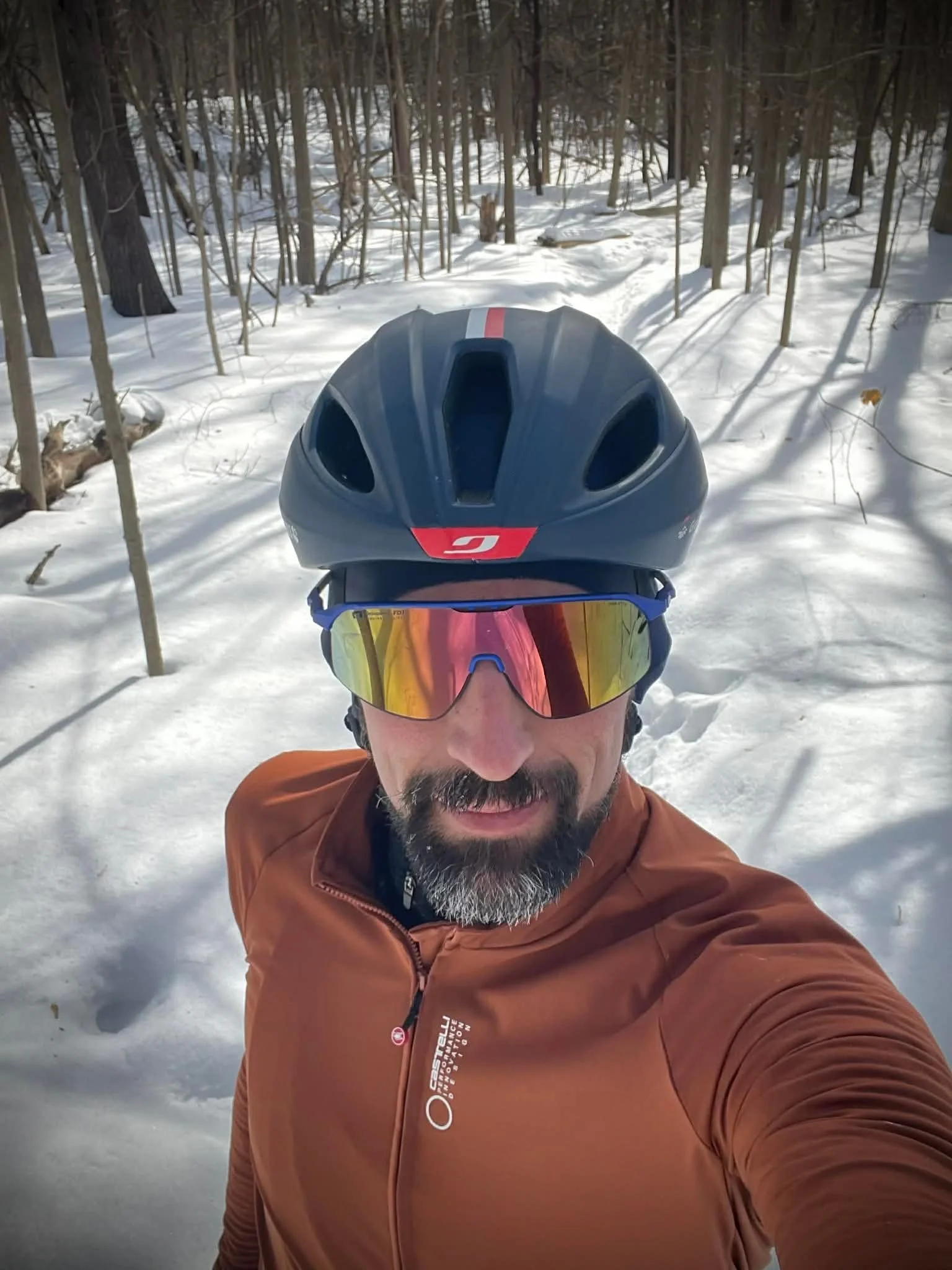
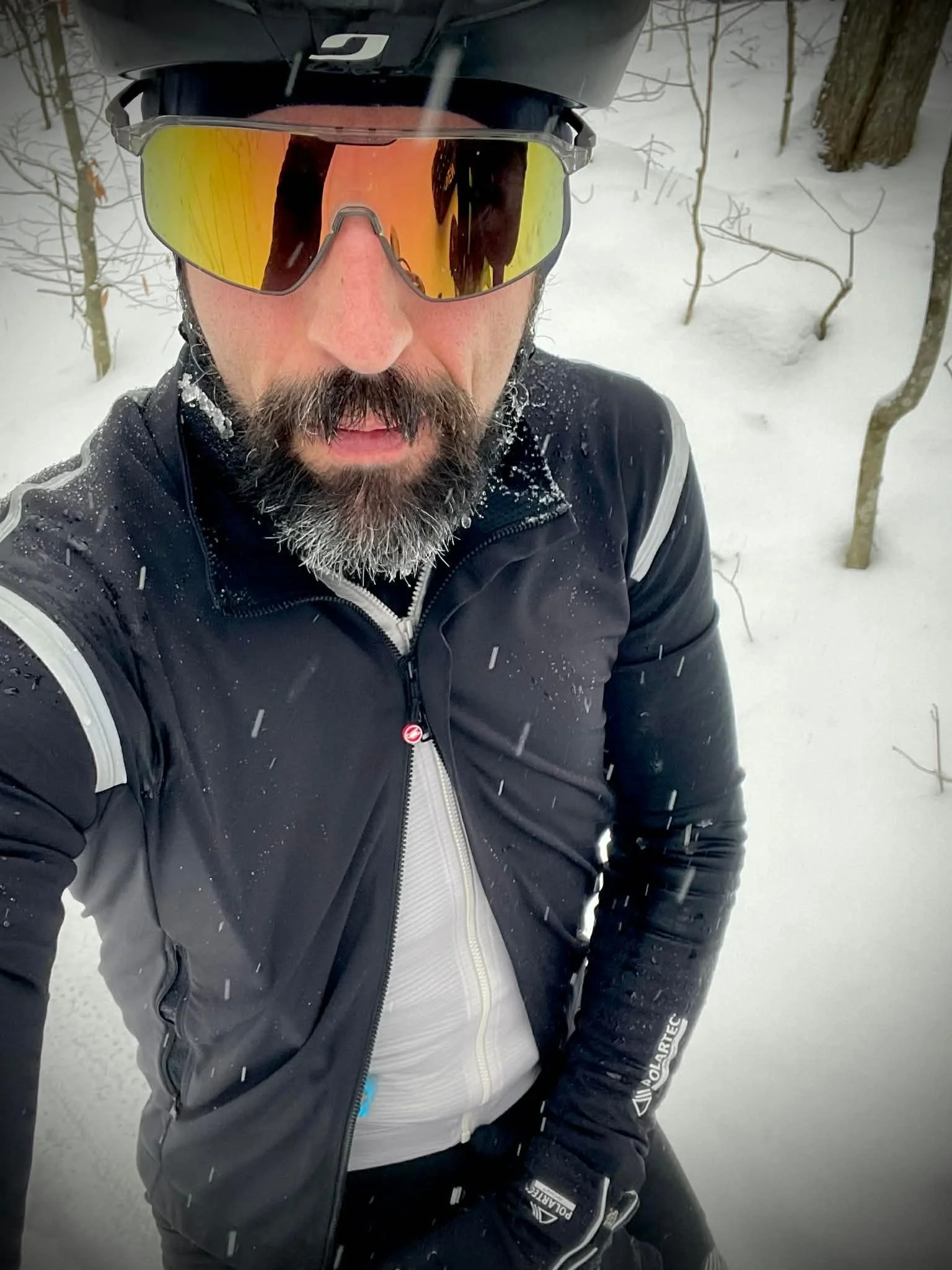
AirCore Perfetto RoS 3 - $399 CAN
Weight: 277 g
Temperature: 4°C - 14°C / 39°F - 57°F
Fit: Tailored
Notes: I am happy with the Large’s ‘tailored fit’. For a broad range of use, I would change nothing about the jacket’s fit. For racing I would likely prefer Medium, which would factor the 2-3 kilo lower weight. The jacket’s generous drop-tail will increase sizing options for tall, thin riders.
The temperature ranges Castelli indicate reflect typical use cases and a safety margin designed for riders across a broad skill spectrum. Meaning, high performance clothing’s effectiveness depends on user-knowledge and skill. My testing pushed each jacket well beyond Castelli’s ranges; I risk-managed by bringing either my insulation jacket or Slicker Pro rain cape. Most often paired with the Cold Days Alpha Direct base layer, I used the two jackets across roughly −11°C to +16°C, in wind, rain, and long-duration fatbike riding.
Testing Insights
Each jacket reveals a distinct strength once you understand the conditions it prefers. The table below distills my experience in the two jackets over tens of hours in each.
Choosing between these jackets should start with the weather forecast, but not end there. Temperature and precipitation matter, but so does wind exposure, riding speed, continuity of effort, and energy output intensity.
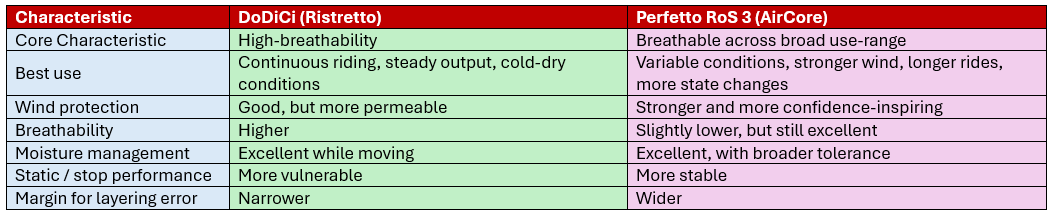
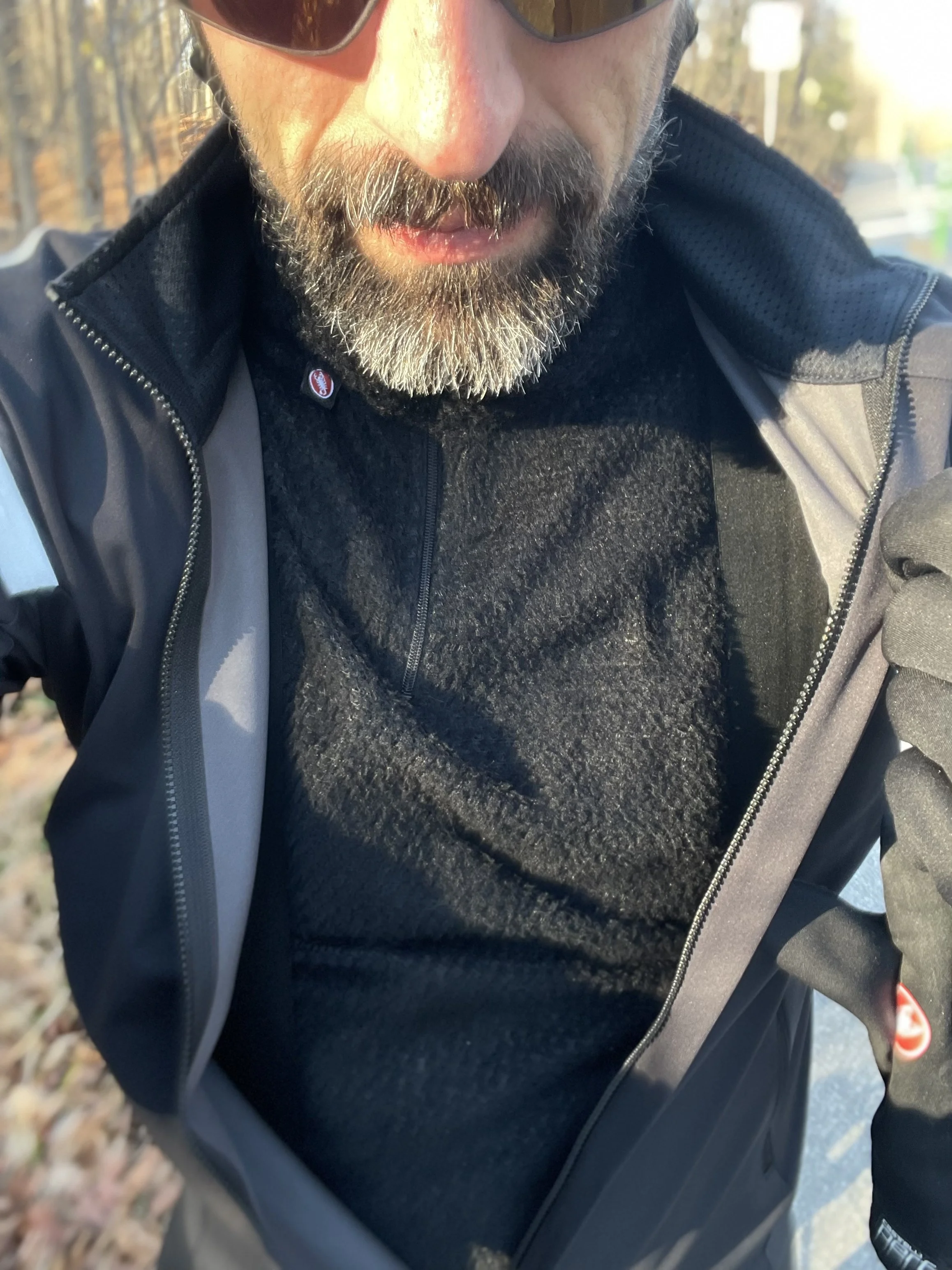
The DO.DI.CI excels when you expect to keep moving and generating heat. It breathes extremely well, and if rain becomes a concern, carrying a lightweight rain cape is easy. Breathability most closely resembles a great thermal jersey, such as the Espresso Thermal. However, wind protection far exceeds that of any thermal jersey I’ve ever used or heard of.
The Perfetto RoS 3 builds robust weather protection into the jacket itself. This makes wind and rain simpler to manage, and consequently sometimes requires a bit more attention to moisture management when riding hard than the DO.DI.CI.
Vignettes to Guide Jacket Selection
If often helps to imagine real-world scenarios, which allow us to focus on how we weigh priorities against each other. Here are four to consider:
DO.DI.CI.: Cold, Dry, Continuous Riding
It’s a clear winter day at 3°C and you’re heading out for a steady flat ride on dry roads. Once the first 15 minutes pass and your body settles into tempo, the DO.DI.CI. feels almost invisible. Heat production stabilizes, moisture clears quickly, and the system stays comfortable for hours without much intervention. These are the conditions where Ristretto fabric really makes sense.
Contingency: Your system is optimized for moving and producing heat. Insulation is only provided by your base layer/s. If you need to stop in the cold for any length of time, you should have an insulation layer you can put on quickly.
DO.DI.CI.: Variable Spring Ride
The forecast says 8°C with a chance of light rain. The all-road ride will be mostly continuous, with rolling terrain and steady effort. In this situation the DO.DI.CI. works very well. It breathes easily while you’re riding, and can tolerate light precipitation as long as your heat continues to pump out - it can dry out the jacket when given the opportunity.
Contingency: Carry a lightweight waterproof rain cape to eliminate nagging concern about how you’ll manage if it rains. Put the rain cape on if you get into more than light rain. The DO.DI.CI. will dry out quickly in not-rain if given the opportunity.
Perfetto RoS 3: Cold Windy Ride
The temperature will hover only a few degrees above freezing, but the wind is strong, and exposed sections of road will amplify the cooling effect. This is where the Perfetto RoS 3 shines, and it doesn’t matter whether it’s a road, gravel, or MTB ride. The AirCore construction manages airflow and protection in a way that keeps the system stable even as conditions shift between sheltered sections and open roads.
Contingency: An auxiliary insulation layer is increasingly wise as rides like this extend in duration and isolation. A local 30km loop doesn’t demand this security layer, but 3 hours and 40km from home certainly does. Bring an accessible jacket to ensure you can stop for any number of reasons and not suffer.
Perfetto RoS 3: Cold Uncertain Conditions
You roll out to span 150km to a destination you must get to temperatures hovering around 5C. The radar shows pockets of rain, and there’s no telling what will happen as you cross the mountain pass between you and your destination.
This is one of the most dangerous realistic scenarios I can imagine, and it’s based on my personal experience.
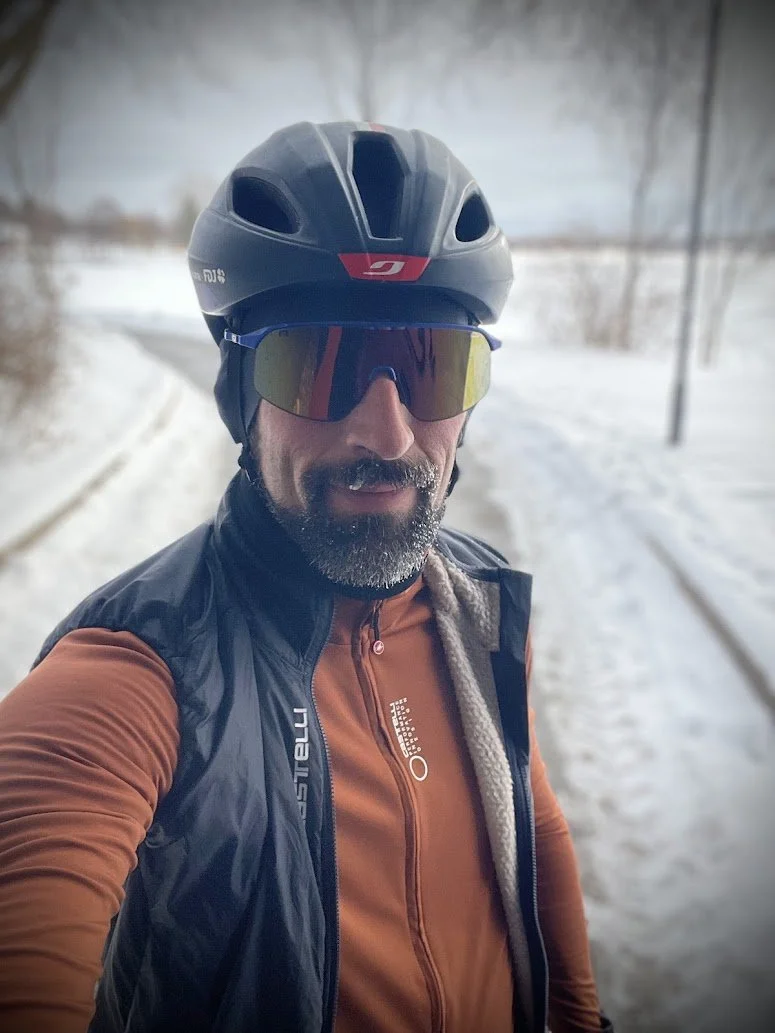
The Perfetto RoS 3 works really well over the Cold Days and Flanders Neck 2 base-layers, side vents open as you climb. Moisture accumulation stays low, which is vital, as the descent will be cold. Atop the summit, the wise move is to put your rain cape on to ensure the core stays warm all the way down the 15km drop to the valley. At the bottom you pull the cape off and stash it, and the RoS 3 resumes clearing moisture. Your Cold Days base layer is dry against your skin; perfect!
Contingency: This is a touring or bikepacking scenario. In fall or winter I would carry both a rain cape and supplemental insulation layer, and they would be intended to work as a system. In a worst case scenario, I would put the insulation layer over my Perfetto RoS 3, then my Slicker Pro rain cape over that.
Conclusion
Paradoxically, the DO.DI.CI. is the jacket a large swath of riders ‘need’ more than the Perfetto RoS 3, but it is likely to be under-utilized. When we consider the conditions the vast majority of cyclists choose to ride in, in relation to the popularity of indoor cycling, dry-cool conditions isas far as most will push. This is where the DO.DI.CI. excels, but its permeability is a double-edged sword. Meaning, it is capable of keeping the rider dry by allowing vapour/sweat to escape, while protecting from wind penetration exceptionally well. But it isn’t ‘windproof’, and its water resistance is low, which means it isn’t a ‘no-brainer’ to use well across a range of riding conditions. Like many / most high-performance technologies, it requires user knowledge and skill to leverage well and risk-manage.
In contrast, the (more expensive) Perfetto RoS 3 is the ultra-versatile ‘no-brainer’ option that is strikingly tolerant of sub-optimal layering, and as protective as most riders will ever need. It’s packable, stretchy enough to easily compensate for summer-through-winter body composition variation, and durable (from what I can tell, having crashed on it off-road and not seeing a mark).
Good kit doesn’t eliminate risk. It determines which risks you choose to manage yourself, and which the system manages for you.
The choice between these jackets is not about performance versus compromise. It is about how much environmental variability you want the garment to manage on your behalf. The DO.DI.CI. rewards riders who understand their effort, their terrain, and their weather. The Perfetto RoS 3 de-risks uncertainty and inconspicuously expands margin for error.
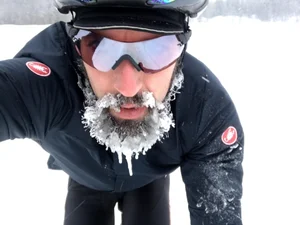
What follows is distinctly not about 'which jacket is better.' Both are excellent, because they are optimized for different riding situations. The choice between these jackets is not about performance versus compromise — it is about how much environmental variability you want the garment to manage on your behalf. The DO.DI.CI. rewards riders who understand their effort, their terrain, and their weather. The Perfetto RoS 3 de-risks uncertainty and inconspicuously expands margin for error.